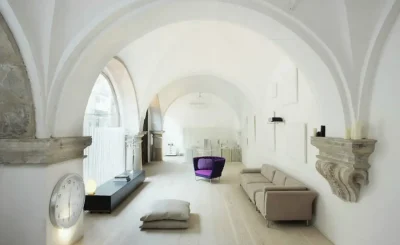
Let’s be honest. Our homes have become everything—office, school, restaurant, entertainment hub. It’s a lot. And in that constant buzz, finding a quiet corner just for you can feel like a luxury. But what if it wasn’t? What if you could claim a slice of your own space, a dedicated zone designed not for productivity, but for peace?
That’s the power of a mindfulness and wellness zone. It’s not about a major renovation or a spare room you don’t have. It’s about intentional design. A small, purposeful space that signals to your brain: here, we reset.
Why a Dedicated Space Actually Works
You might think, “Can’t I just meditate on the couch?” Sure, you can. But the couch is also where you scroll through news, watch stressful shows, and maybe fall asleep. Context matters. Creating a dedicated mindfulness corner builds a powerful association. It’s like your brain walks through an invisible door. The clutter of the day starts to fade the moment you step into this zone.
It’s a visual and psychological cue. A nudge, you know, reminding you to pause and breathe. In our always-on world, we need those nudges built into our environment.
Finding Your “Where”: It’s Easier Than You Think
No spare room? No problem. The key is consistency, not square footage. Look for underused transitions. That awkward nook by a window. A quiet corner of your bedroom. Even a spacious closet can be transformed—honestly, some of the most serene spaces start there.
The real criteria are simple:
- Privacy: Can you be undisturbed for even 10 minutes?
- Light: Natural light is ideal, but soft, controllable light works.
- Ventilation: Fresh air is a game-changer for energy.
- Quiet(ish): Away from the main household traffic flow.
Transforming a Corner: The Essentials
Okay, you’ve picked your spot. Now, let’s build the vibe. Think of it as layering sensations to engage the senses gently. You don’t need everything here—just what resonates with you.
| Sense | Element Ideas | Why It Works |
| Sight | Soft textiles, a plant, muted colors, a simple candle flame. | Gives the eyes a gentle, unfocused place to rest. Reduces visual noise. |
| Touch | A comfortable cushion, a soft throw blanket, a textured rug. | Grounding. Physical comfort anchors you in the present moment. |
| Sound | A small white noise machine, a bell or singing bowl, curated quiet. | Masks jarring external sounds. A gentle sound can mark the start/end of practice. |
| Smell | Essential oil diffuser, dried lavender, unscented if sensitive. | Scents directly impact the limbic system, our emotional center. |
Curating Your Zone: Beyond the Basics
Once you have the foundation, you can personalize. This is where your zone becomes uniquely yours. Maybe it’s a small shelf with a few meaningful objects—a smooth stone from a favorite walk, a photo that brings joy. Keep it minimal, though. The goal is simplicity, not another display shelf.
Consider tech boundaries, too. A charging station outside the zone. A physical timer instead of your phone. This digital demarcation is, well, crucial. It tells your brain this is a no-alert zone.
Activities to Define Your Space
The “wellness” part is broad. Your zone should support what you need. Here’s how it might shift:
- For Meditation: A meditation cushion (zafu) or supportive chair. A light shawl for warmth.
- For Reading & Reflection: A better reading light. A journal and a nice pen left out, inviting use.
- For Gentle Movement: Clear a small floor area for a yoga mat. Maybe a strap or block tucked neatly to the side.
- For Digital Detox: A comfy chair with a view outside. A basket for your phone. A real book.
The Invisible Architecture: Ritual and Routine
The physical space is only half the story. The magic happens when you use it. And look, building a habit is hard. So, start stupidly small. Five minutes. Just sit there and breathe. The goal is to build the neural pathway—to associate this spot with calm.
Create a tiny ritual. It could be lighting a candle, ringing a bell, or taking three deep breaths before you settle in. This ritual is the key that unlocks the state of mind you’re cultivating. Over time, just beginning the ritual starts to calm your nervous system. It’s pretty amazing, actually.
Common Hurdles (And How to Sidestep Them)
“But my space is tiny!” Use vertical space. A wall shelf for your items. A fold-up floor cushion stored in a basket. The zone can be assembled and disassembled in minutes.
“I have roommates/kids.” Communicate. Explain this is your “quiet time” spot. Use a visual cue—a special pillow on your chair, a sign—that signals you’re in your mindfulness practice and shouldn’t be disturbed unless it’s urgent. It models self-care for everyone, too.
The biggest hurdle, though, is often guilt. Feeling like you should be doing something “productive.” Here’s the deal: this is productive. It’s maintenance for your inner operating system. You wouldn’t run a car without ever stopping for oil. This is that.
A Living Space That Grows With You
Your needs will change. A space for intense stress relief might evolve into a zone for creative inspiration. That’s not a failure—it’s a response. Allow it. Swap out the items. Change the color of the blanket with the season. Let the space be as dynamic as you are.
In the end, creating a home wellness sanctuary isn’t about interior design perfection. It’s about permission. Permission to claim space, to prioritize stillness, and to build a small, steadfast refuge right where you live. It’s a quiet rebellion against the noise, a personal pact to remember that amidst the endless doing, there is profound value in simply being.